Racerunners (Eremias spp.)
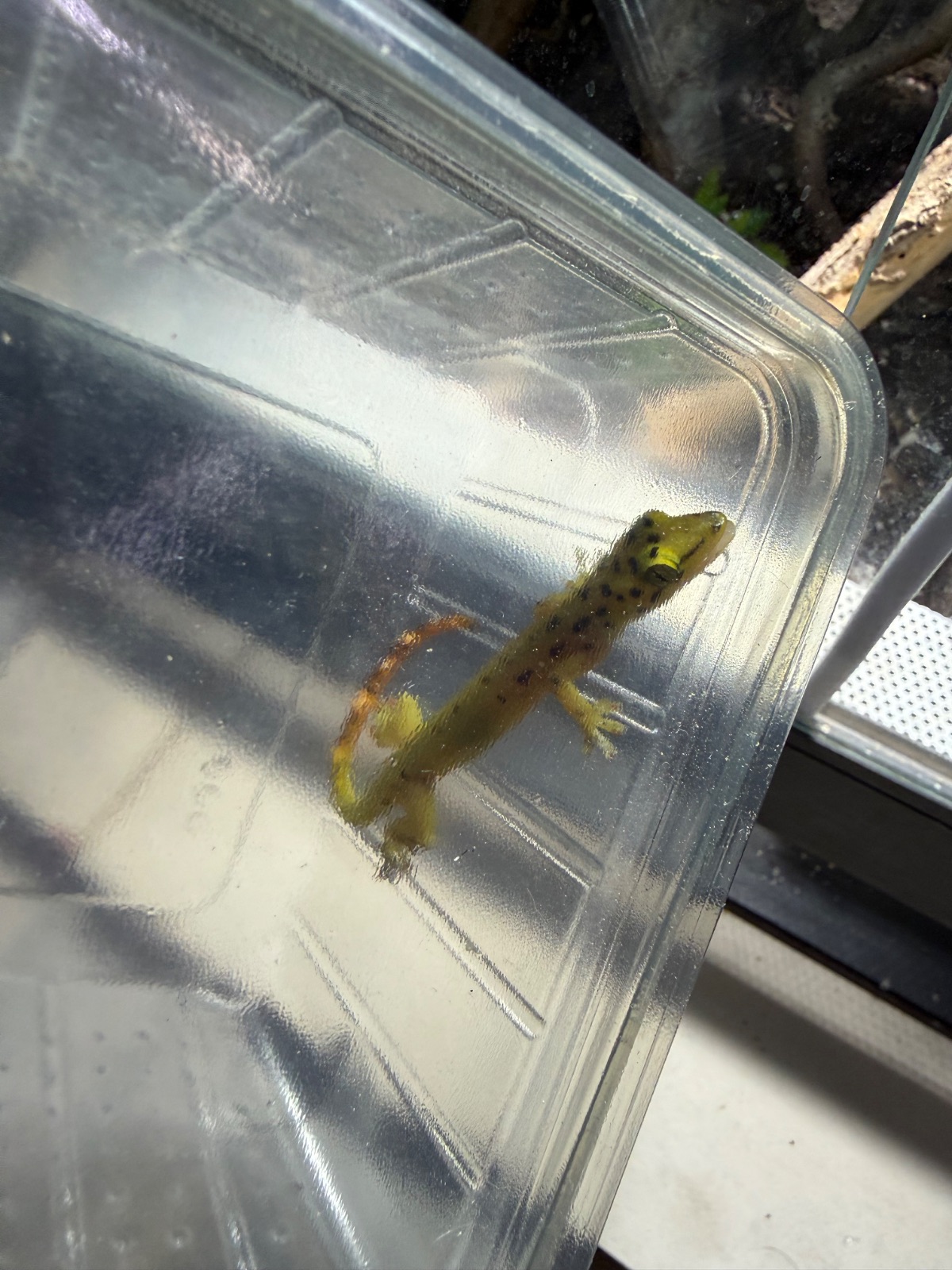
Lizards · Difficulty: Intermediate
Key facts and care guidance for Racerunners (Eremias spp.) (origin: The steppes and semi-deserts from eastern and south-eastern Europe through the Near East and North Africa to Central Asia). Adult size around approx. 12–20 cm total length (depends on the species; e.g. E. arguta up to ~18 cm). Life expectancy approx. 5–8 years. The values below are carefully researched guidance.
Short answers
Racerunners: How big does the enclosure need to be?
80×40×40 cm for one animal with deep digging substrate; a larger floor area for a group.
Racerunners: What temperature does it need?
Daytime 25–35 °C, basking spot 40–45 °C, at night 10–18 °C (clear night-time drop).
Racerunners: Does it need UVB lighting?
UVB: UVB is essential, a high requirement (Ferguson zone 3–4, UV index 4–6 at the basking spot); a steppe and desert dweller.
Racerunners: How long do they live?
Life expectancy: approx. 5–8 years.
Racerunners: Is it suitable for beginners?
Rather not – it is considered an intermediate species (difficulty: Intermediate).
Climate
- Daytime temperature
- 25–35 °C
- Night temperature
- 10–18 °C (clear night-time drop)
- Basking spot
- 40–45 °C
- Humidity
- 40–50 % (substrate slightly damp at the bottom)
- UVB
- UVB is essential, a high requirement (Ferguson zone 3–4, UV index 4–6 at the basking spot); a steppe and desert dweller
Enclosure
- Minimum size
- 80×40×40 cm for one animal with deep digging substrate; a larger floor area for a group
- Substrate
- Deep sand they can dig in (8–15 cm), the lower layers permanently slightly damp; stones, a structured back wall
Feeding
- Food
- Insects (house crickets, steppe crickets, small locusts, flies); vitamin and mineral supplements regularly
- Feeding interval
- adults 2–3×/week, juveniles (almost) daily
Key facts
- Adult size
- approx. 12–20 cm total length (depends on the species; e.g. E. arguta up to ~18 cm)
- Life expectancy
- approx. 5–8 years
- Origin
- The steppes and semi-deserts from eastern and south-eastern Europe through the Near East and North Africa to Central Asia
- Protection status
- Depends on genus/species: mostly not CITES-listed; individual species (e.g. the EU population of E. arguta) are protected. Check the exact species plus regional regulations before buying.
- Brumation
- Yes: a winter rest of about 2–3 months below 10 °C (for most species of the temperate steppes)
- Cohabitation
- Keeping racerunners singly is the least stressful option since they are territorial. One male with several females is possible on a large floor area with enough digging and visual cover; males must NEVER be housed together. Exact compatibility is species-dependent and should be checked for the individual species.
Notes
A collective name for many species – treat the figures as genus-level guide values and check them for the particular species. A day-night temperature gradient and deep, diggable substrate with a damp lower layer are decisive; dry indoor air and shallow ground are common mistakes.
Do you keep this species?
Add your animal to Reptoria – Reptoria reminds you about feeding and shedding. Add your animal for free →
Related species
- Lined racerunner (Eremias lineolata) – Intermediate
- Reticulate racerunner (Eremias grammica) – Intermediate
- Przewalski's racerunner (Eremias przewalskii) – Intermediate
- Rapid racerunner (Eremias velox) – Intermediate
- Steppe runner (Eremias arguta) – Intermediate
- Strauch's racerunner (Eremias strauchi) – Intermediate
- Erhard's wall lizard (Podarcis erhardii) – Beginner to intermediate
- Large psammodromus (Psammodromus algirus) – Intermediate
What you need to start
To keep Racerunners (Eremias spp.) you typically need: a suitable enclosure (80×40×40 cm for one animal with deep digging substrate; a larger floor area for a group), substrate (Deep sand they can dig in (8–15 cm), the lower layers permanently slightly damp; stones, a structured back wall), a heat source with a thermostat, UVB lighting, thermometer and hygrometer, a water dish and hides. You will find equipment in the Reptoria marketplace.
The complete, interactive care database is in the Reptoria app.
Last updated: 30 October 2026 · Editor: Reptoria editorial team · Sources include: https://de.wikipedia.org/wiki/Schneller_W%C3%BCstenrenner, https://reptile-database.reptarium.cz/species?genus=Eremias&species=arguta
All values are non-binding guidance and do not replace expert advice. Research thoroughly from several sources before acquiring and keeping an animal, and observe the applicable law (species and animal protection in particular).