Mourning gecko (Lepidodactylus lugubris)
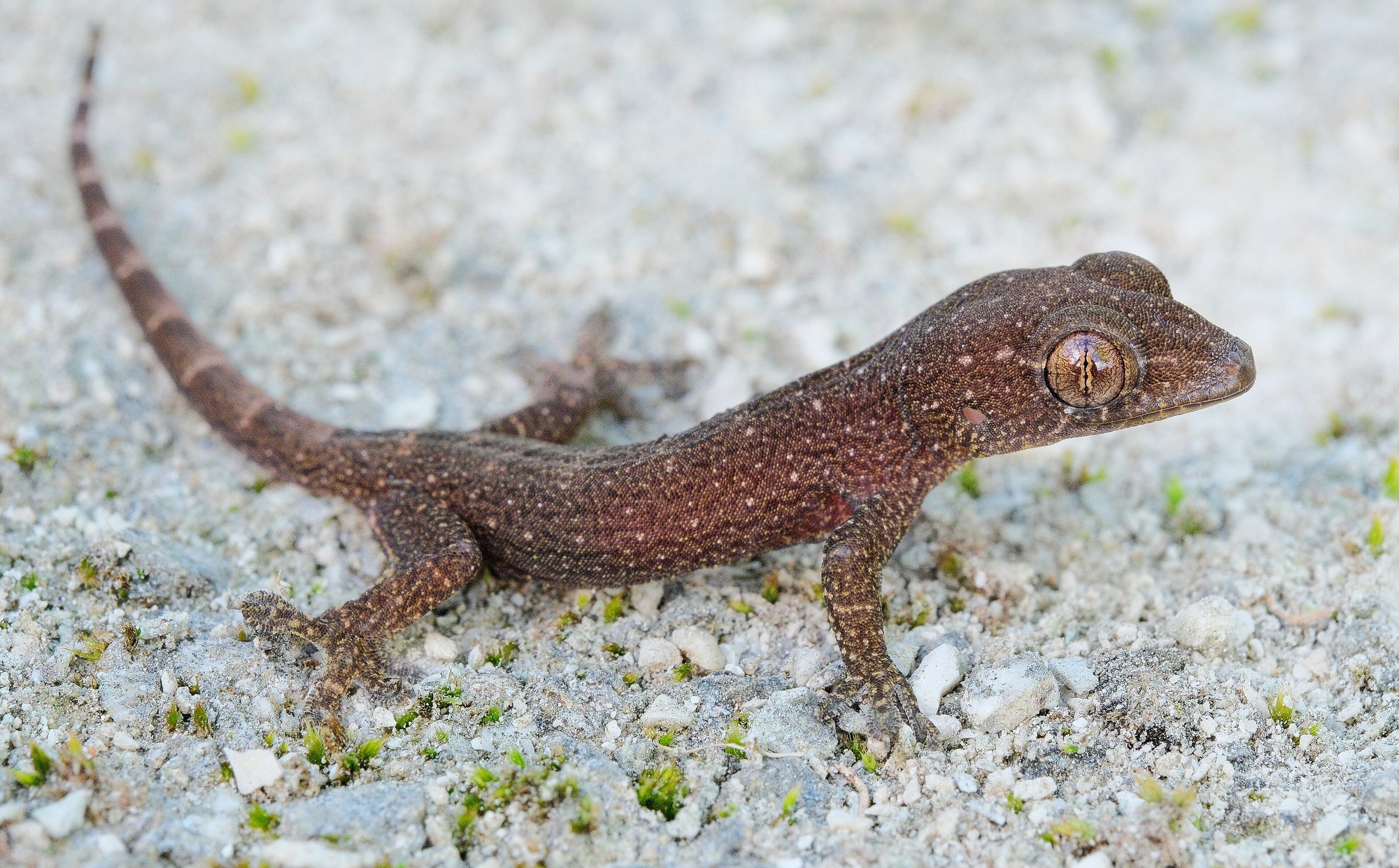
Geckos · Difficulty: Beginner
Key facts and care guidance for Mourning gecko (Lepidodactylus lugubris) (origin: The Indo-Pacific, widely introduced). Adult size around approx. 8–10 cm total length. Life expectancy approx. 10–15 years. The values below are carefully researched guidance.
Short answers
Mourning gecko: How big does the enclosure need to be?
From 40×40×60 cm for 2–3 animals (a group-living species — noticeably more floor space and height is better).
Mourning gecko: What temperature does it need?
Daytime 24–28 °C, basking spot 28–30 °C (a small spot is enough), at night 20–22 °C.
Mourning gecko: Does it need UVB lighting?
UVB: UVB recommended (2–5 %).
Mourning gecko: How long do they live?
Life expectancy: approx. 10–15 years.
Mourning gecko: Is it suitable for beginners?
Yes – it is considered suitable for beginners (difficulty: Beginner).
Climate
- Daytime temperature
- 24–28 °C
- Night temperature
- 20–22 °C
- Basking spot
- 28–30 °C (a small spot is enough)
- Humidity
- 60–80 %
- UVB
- UVB recommended (2–5 %)
Enclosure
- Minimum size
- from 40×40×60 cm for 2–3 animals (a group-living species — noticeably more floor space and height is better)
- Substrate
- Coco humus with leaf litter, slightly damp; plenty of cork and planting
Feeding
- Food
- Fruit flies, small crickets, wax moths, a prepared diet for fruit-eating geckos
- Feeding interval
- every 2–3 days; purée in a small dish
Key facts
- Adult size
- approx. 8–10 cm total length
- Life expectancy
- approx. 10–15 years
- Origin
- The Indo-Pacific, widely introduced
- Protection status
- Not protected
- Brumation
- None
- Cohabitation
- Keeping a group of several females is possible and common. In cramped conditions they squabble over the best spots — plan plenty of hides and climbing surfaces.
Notes
Purely parthenogenetic: there are practically only females, and every animal reproduces on its own. That makes it especially rewarding for beginners, but also quickly means too many animals — remove clutches consistently if no increase is wanted. Nocturnal and very small, and not a species for handling.
Do you keep this species?
Add your animal to Reptoria – Reptoria reminds you about feeding and shedding. Add your animal for free →
Mourning gecko (Lepidodactylus lugubris) currently offered
- Jungferngecko Lepidodactylus lugubris Gecko – Berlin · 10 €
- Jungferngeckos Lepidodactylus lugubris – Hardisleben · 15 €
- Lugubris Nachzuchten abzugeben Jungferngecko Geckos – Nürnberg · 10 €
Related species
- Agusan bent-toed gecko (Cyrtodactylus agusanensis) – Intermediate
- Common house gecko (Hemidactylus frenatus) – Beginner
- Chanhome's bent-toed gecko (Cyrtodactylus chanhomeae) – Intermediate
- Chinese gecko (Gekko chinensis) – Intermediate
- Termite hill gecko (Hemidactylus triedrus) – Intermediate
- Elok bent-toed gecko (Cyrtodactylus elok) – Intermediate
- Rock gecko (Gekko petricolus) – Intermediate
- Golden gecko (Gekko badenii) – Beginner
What you need to start
To keep Mourning gecko (Lepidodactylus lugubris) you typically need: a suitable enclosure (from 40×40×60 cm for 2–3 animals (a group-living species — noticeably more floor space and height is better)), substrate (Coco humus with leaf litter, slightly damp; plenty of cork and planting), a heat source with a thermostat, UVB lighting, thermometer and hygrometer, a water dish and hides. You will find equipment in the Reptoria marketplace.
The complete, interactive care database is in the Reptoria app.
Last updated: 4 November 2026 · Editor: Reptoria editorial team · Sources include: einrichtungsbeispiele.de, dahmstierleben.de, Gutachten 1997, Wikipedia EN, NEHERP – Mourning Gecko Care (ca. 2 Monate bei Raumtemperatur) – https://www.neherpetoculture.com/mourninggeckocaresheet
All values are non-binding guidance and do not replace expert advice. Research thoroughly from several sources before acquiring and keeping an animal, and observe the applicable law (species and animal protection in particular).