Rubber ducky isopod (Cubaris sp. Rubber Ducky)
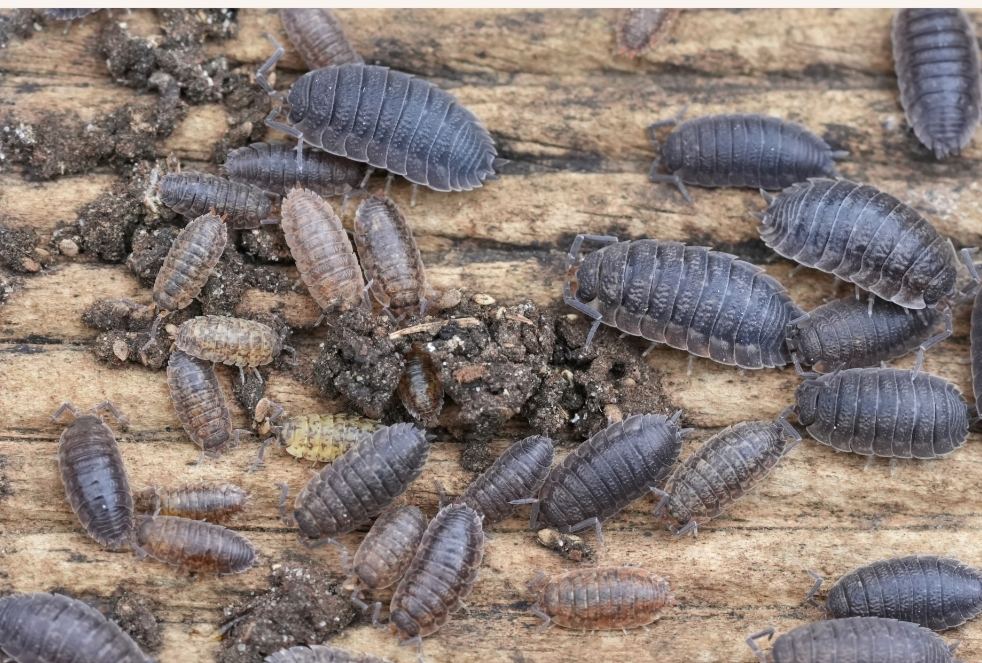
Invertebrates · Difficulty: Intermediate
Key facts and care guidance for Rubber ducky isopod (Cubaris sp. Rubber Ducky) (origin: The limestone caves of South-East Asia (Vietnam / Thailand)). Adult size around approx. 1.3–1.7 cm. Life expectancy approx. 2–3 years. The values below are carefully researched guidance.
Short answers
Rubber ducky isopod: How big does the enclosure need to be?
A box from 25×20×20 cm with cross-ventilation for a colony (10–20 animals).
Rubber ducky isopod: What temperature does it need?
Daytime 22–26 °C, at night 20–23 °C.
Rubber ducky isopod: Does it need UVB lighting?
UVB: No UVB needed.
Rubber ducky isopod: How long do they live?
Life expectancy: approx. 2–3 years.
Rubber ducky isopod: Is it suitable for beginners?
Rather not – it is considered an intermediate species (difficulty: Intermediate).
Climate
- Daytime temperature
- 22–26 °C
- Night temperature
- 20–23 °C
- Basking spot
- —
- Humidity
- 75–90 % (with a humidity gradient, yet well ventilated)
- UVB
- No UVB needed
Enclosure
- Minimum size
- a box from 25×20×20 cm with cross-ventilation for a colony (10–20 animals)
- Substrate
- Deep (7–10 cm) substrate of coco humus or ABG plus sphagnum, leaf litter and pale wood; limestone or shell grit is essential
Feeding
- Food
- Fallen leaves, rotten pale wood, vegetables; protein two or three times a week, plenty of calcium (permanently)
- Feeding interval
- protein 2–3×/week, leaf litter and wood always available
Key facts
- Adult size
- approx. 1.3–1.7 cm
- Life expectancy
- approx. 2–3 years
- Origin
- The limestone caves of South-East Asia (Vietnam / Thailand)
- Protection status
- Not protected (no CITES, no German Federal Nature Conservation Act listing)
- Brumation
- None
- Cohabitation
- Colony. Isopods are gregarious and are kept as a group – with this slow species at least 5, better 10 to 20 animals, because they breed more reliably in numbers. Only this one species per tub: faster-breeding isopods crowd out the Rubber Ducky, and when food is short, freshly moulted animals get nibbled by larger species.
Notes
A sought-after but slow-growing cave species with small broods – building up a colony takes up to about a year, so it is frustrating for beginners. It needs high humidity AND good ventilation, plus constantly even moisture; calcium is essential for moulting.
Do you keep this species?
Add your animal to Reptoria – Reptoria reminds you about feeding and shedding. Add your animal for free →
Look for Rubber ducky isopod (Cubaris sp. Rubber Ducky) in the marketplace →
Related species
- Little sea isopod (Cubaris murina) – Beginner
- Panda king isopod (Cubaris sp. Panda King) – Beginner to intermediate
- White shark isopod (Cubaris sp. „White Shark") – Intermediate
- Greek pill woodlouse (Armadillidium gestroi) – Beginner
- Giant canyon isopod (Porcellio dilatatus) – Beginner
- Common pill woodlouse (Armadillidium vulgare) – Beginner
- Powder blue isopod (Porcellionides pruinosus) – Beginner
- Marbled pill woodlouse (Armadillidium granulatum) – Beginner
What you need to start
To keep Rubber ducky isopod (Cubaris sp. Rubber Ducky) you typically need: a suitable enclosure (a box from 25×20×20 cm with cross-ventilation for a colony (10–20 animals)), substrate (Deep (7–10 cm) substrate of coco humus or ABG plus sphagnum, leaf litter and pale wood; limestone or shell grit is essential), a heat source with a thermostat, UVB lighting, thermometer and hygrometer, a water dish and hides. You will find equipment in the Reptoria marketplace.
The complete, interactive care database is in the Reptoria app.
Last updated: 24 September 2026 · Editor: Reptoria editorial team · Sources include: https://bcomushi.com/blogs/podformation/can-different-isopods-live-together, https://en.wikipedia.org/wiki/Woodlouse, https://postpods.co.uk/blogs/isopods-useful-articles/breeding-rubber-duckys-and-panda-kings, https://postpods.co.uk/blogs/isopods-useful-articles/complete-cubaris-isopod-care-guide, https://postpods.co.uk/blogs/isopods-useful-articles/keeping-different-isopods-together
All values are non-binding guidance and do not replace expert advice. Research thoroughly from several sources before acquiring and keeping an animal, and observe the applicable law (species and animal protection in particular).