Cape dwarf gecko (Lygodactylus capensis)
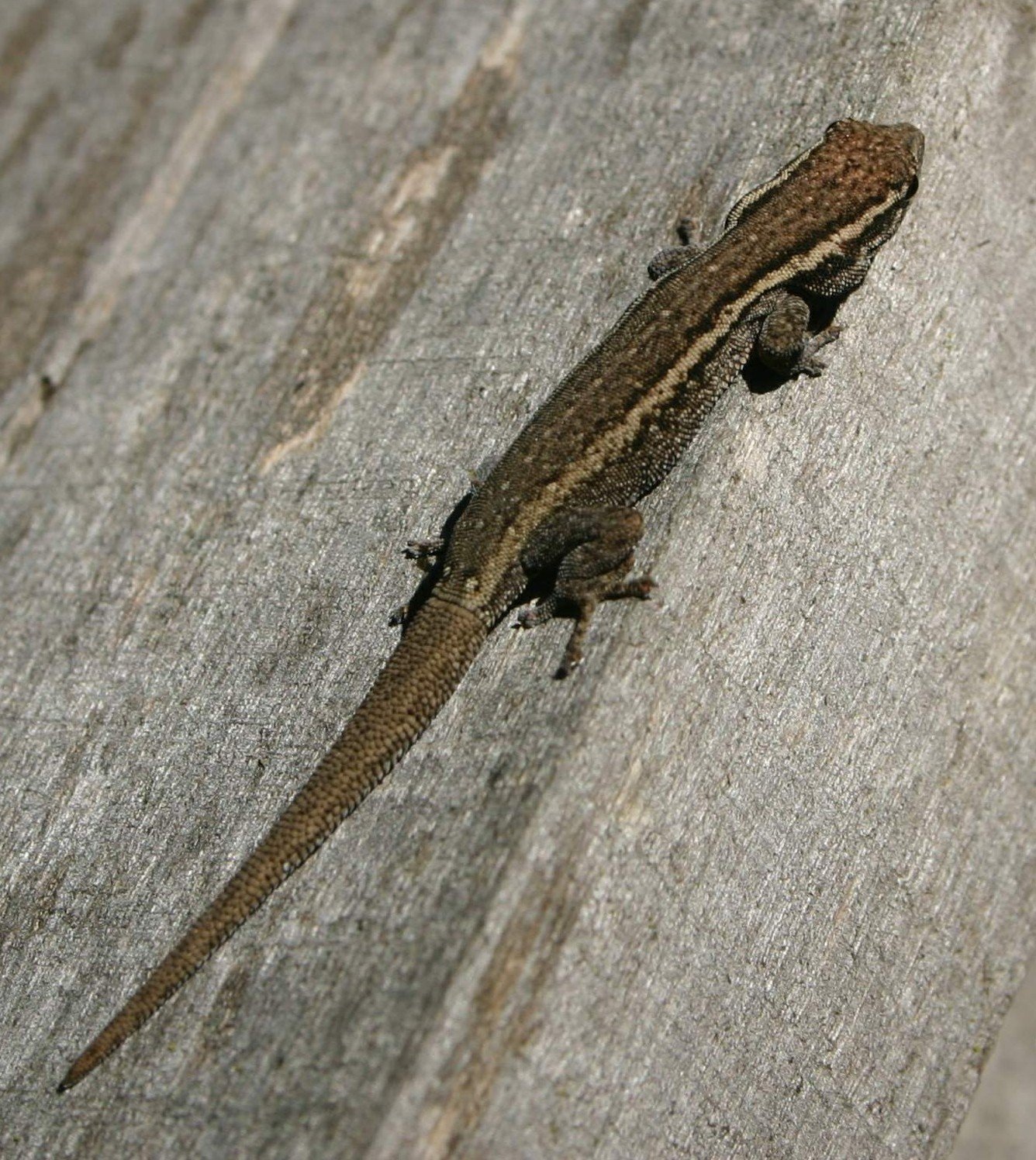
Geckos · Difficulty: Beginner
Key facts and care guidance for Cape dwarf gecko (Lygodactylus capensis) (origin: Southern Africa). Adult size around 6–8 cm total length. Life expectancy 5–8 years. The values below are carefully researched guidance.
Short answers
Cape dwarf gecko: How big does the enclosure need to be?
30×30×45 cm.
Cape dwarf gecko: What temperature does it need?
Daytime 25–30 °C, basking spot 32 °C, at night 19–22 °C.
Cape dwarf gecko: Does it need UVB lighting?
UVB: Essential (UVB 5.0).
Cape dwarf gecko: How long do they live?
Life expectancy: 5–8 years.
Cape dwarf gecko: Is it suitable for beginners?
Yes – it is considered suitable for beginners (difficulty: Beginner).
Climate
- Daytime temperature
- 25–30 °C
- Night temperature
- 19–22 °C
- Basking spot
- 32 °C
- Humidity
- 55–70 %
- UVB
- Essential (UVB 5.0)
Enclosure
- Minimum size
- 30×30×45 cm
- Substrate
- Coco humus, cork bark, thin branches, planting
Feeding
- Food
- Fruit flies, micro crickets
- Feeding interval
- 3×/week
Key facts
- Adult size
- 6–8 cm total length
- Life expectancy
- 5–8 years
- Origin
- Southern Africa
- Protection status
- Not listed under CITES
- Brumation
- A cooler spell of 6–8 weeks
- Cohabitation
- Keeping them in pairs (one male, one female) is the least stressful option. A harem of one male and two females also works in a slightly larger enclosure – the drawback: the females compete for basking and feeding spots, so offer several of them. Never keep two males together.
Notes
Plainly grey-brown, but very robust and easy to breed. A good starting point if the colourful Lygodactylus seem too tricky.
Do you keep this species?
Add your animal to Reptoria – Reptoria reminds you about feeding and shedding. Add your animal for free →
Look for Cape dwarf gecko (Lygodactylus capensis) in the marketplace →
Related species
- Angolan dwarf gecko (Lygodactylus angularis) – Intermediate
- Chobe dwarf gecko (Lygodactylus chobiensis) – Intermediate
- Conrau's dwarf gecko (Lygodactylus conraui) – Intermediate
- Yellow-headed dwarf gecko (Lygodactylus luteopicturatus) – Beginner
- Electric blue gecko (Lygodactylus williamsi) – Intermediate
- Kim Howell's dwarf gecko (Lygodactylus kimhowelli) – Intermediate
- Mombasa dwarf gecko (Lygodactylus mombasicus) – Intermediate
- Yellow-headed dwarf gecko (Lygodactylus picturatus) – Intermediate
What you need to start
To keep Cape dwarf gecko (Lygodactylus capensis) you typically need: a suitable enclosure (30×30×45 cm), substrate (Coco humus, cork bark, thin branches, planting), a heat source with a thermostat, UVB lighting, thermometer and hygrometer, a water dish and hides. You will find equipment in the Reptoria marketplace.
The complete, interactive care database is in the Reptoria app.
Last updated: 9 October 2026 · Editor: Reptoria editorial team · Sources include: http://www.dwarfgeckos.com/lygodactylus/l_p/lygodactylus_picturatus.php, https://dewetswild.com/2020/02/18/cape-dwarf-gecko/, https://en.wikipedia.org/wiki/Cape_dwarf_gecko, https://geckotime.com/three-to-get-ready-lygodactylus/, https://reptile-database.reptarium.cz/species?genus=Lygodactylus&species=capensis
All values are non-binding guidance and do not replace expert advice. Research thoroughly from several sources before acquiring and keeping an animal, and observe the applicable law (species and animal protection in particular).