Nevada ocellated lizard (Timon nevadensis)
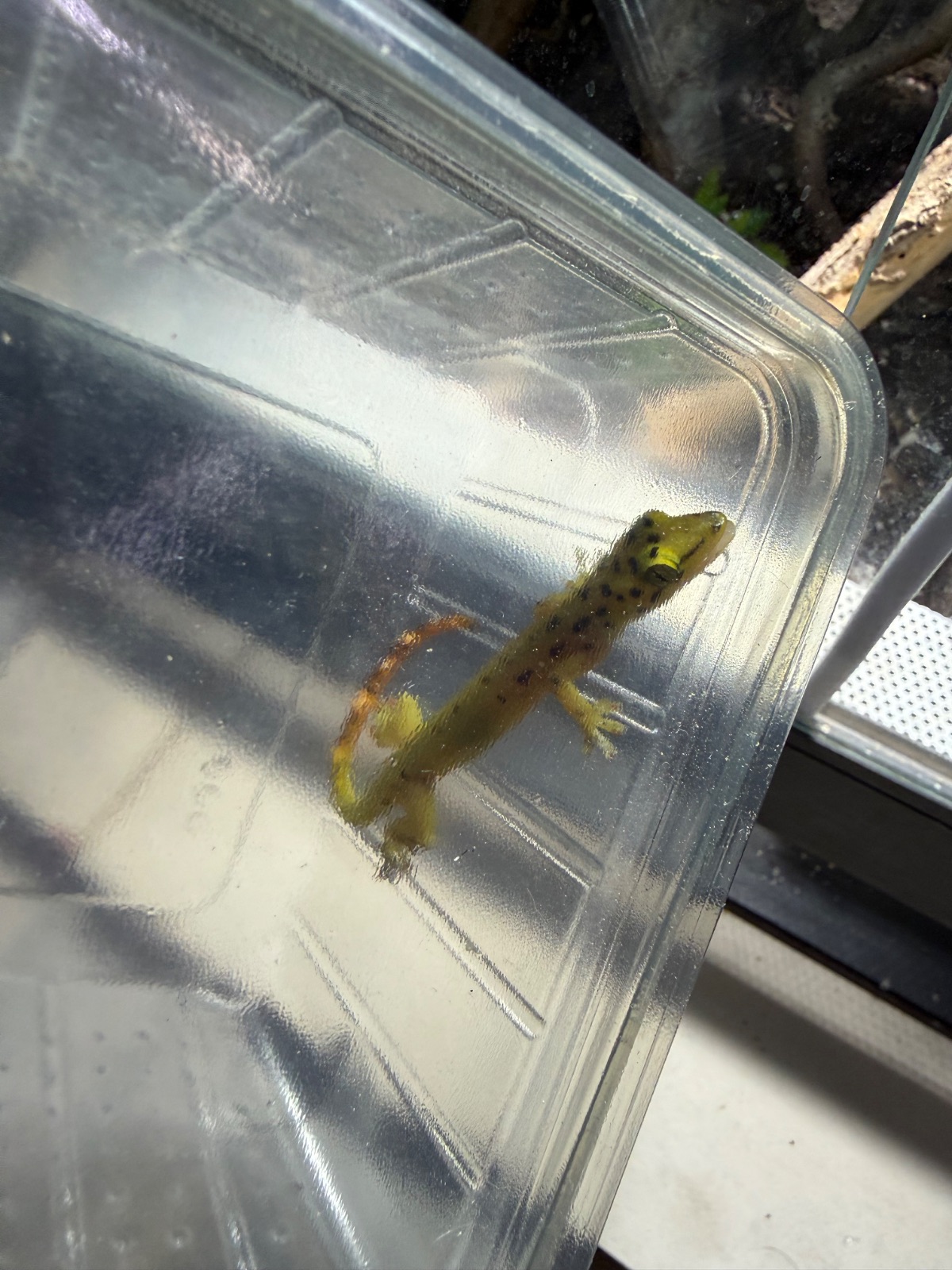
Lizards · Difficulty: Intermediate
Key facts and care guidance for Nevada ocellated lizard (Timon nevadensis) (origin: The south-eastern Iberian Peninsula (Andalusia, the Sierra Nevada area), endemic; until 2013 a subspecies of Timon lepidus). Adult size around total length up to ~80 cm (SVL up to 26 cm). Life expectancy 10–15+ years. The values below are carefully researched guidance.
Short answers
Nevada ocellated lizard: How big does the enclosure need to be?
One animal from approx. 150×80×80 cm; a pair 180×100×100 cm, a group from 250×150×150 cm.
Nevada ocellated lizard: What temperature does it need?
Daytime 23–28 °C, basking spot 40–45 °C (basking spot), at night 16–20 °C.
Nevada ocellated lizard: Does it need UVB lighting?
UVB: UVB is essential (a large heliotherm, Ferguson zone 3–4, UV index 4–6); an HQI or metal-halide lamp plus a UV lamp.
Nevada ocellated lizard: How long do they live?
Life expectancy: 10–15+ years.
Nevada ocellated lizard: Is it suitable for beginners?
Rather not – it is considered an intermediate species (difficulty: Intermediate).
Climate
- Daytime temperature
- 23–28 °C
- Night temperature
- 16–20 °C
- Basking spot
- 40–45 °C (basking spot)
- Humidity
- 40–60 % (Mediterranean and dry, more humid hides)
- UVB
- UVB is essential (a large heliotherm, Ferguson zone 3–4, UV index 4–6); an HQI or metal-halide lamp plus a UV lamp
Enclosure
- Minimum size
- one animal from approx. 150×80×80 cm; a pair 180×100×100 cm, a group from 250×150×150 cm
- Substrate
- A sand-loam mix they can dig in, large rock structures, cork bark, a water dish
Feeding
- Food
- Large insects (locusts, roaches, house crickets), rose chafer larvae; rarely small vertebrates; a little fruit or flowers
- Feeding interval
- adults 2–3×/week, juveniles daily
Key facts
- Adult size
- total length up to ~80 cm (SVL up to 26 cm)
- Life expectancy
- 10–15+ years
- Origin
- The south-eastern Iberian Peninsula (Andalusia, the Sierra Nevada area), endemic; until 2013 a subspecies of Timon lepidus
- Protection status
- A Spanish endemic; Bern Convention; national protection rules in Spain. No CITES; in the trade as captive-bred – keep proof of origin and legality, and no wild-caught animals.
- Brumation
- A winter rest of 2–3 months at 8–12 °C
- Cohabitation
- A pair is the least stressful option; a harem (one male with several females) also works in a large, well-structured enclosure with sight barriers - but never two males together. The genus is described by Wikipedia as quarrelsome, defending its territory fiercely against conspecifics.
Notes
A very large, powerful ocellated lizard – kept properly only with a correspondingly large enclosure. Care practically identical to Timon lepidus. A common mistake: too small a terrarium, too little UV and warmth.
Do you keep this species?
Add your animal to Reptoria – Reptoria reminds you about feeding and shedding. Add your animal for free →
Look for Nevada ocellated lizard (Timon nevadensis) in the marketplace →
Related species
- Moroccan ocellated lizard (Timon pater) – Intermediate
- Ocellated lizard (Timon lepidus) – Intermediate
- Atlas ocellated lizard (Timon tangitanus) – Intermediate
- Zagros ocellated lizard (Timon princeps) – Intermediate
- Erhard's wall lizard (Podarcis erhardii) – Beginner to intermediate
- Large psammodromus (Psammodromus algirus) – Intermediate
- Pamphylian green lizard (Lacerta pamphylica) – Intermediate
- Lilford's wall lizard (Podarcis lilfordi) – Expert
What you need to start
To keep Nevada ocellated lizard (Timon nevadensis) you typically need: a suitable enclosure (one animal from approx. 150×80×80 cm; a pair 180×100×100 cm, a group from 250×150×150 cm), substrate (A sand-loam mix they can dig in, large rock structures, cork bark, a water dish), a heat source with a thermostat, UVB lighting, thermometer and hygrometer, a water dish and hides. You will find equipment in the Reptoria marketplace.
The complete, interactive care database is in the Reptoria app.
Last updated: 25 September 2026 · Editor: Reptoria editorial team · Sources include: https://de.wikipedia.org/wiki/Perleidechse, https://en.wikipedia.org/wiki/Timon_(lizard), https://reptile-database.reptarium.cz/species?genus=Timon&species=nevadensis
All values are non-binding guidance and do not replace expert advice. Research thoroughly from several sources before acquiring and keeping an animal, and observe the applicable law (species and animal protection in particular).