Oenpelli python (Morelia oenpelliensis)
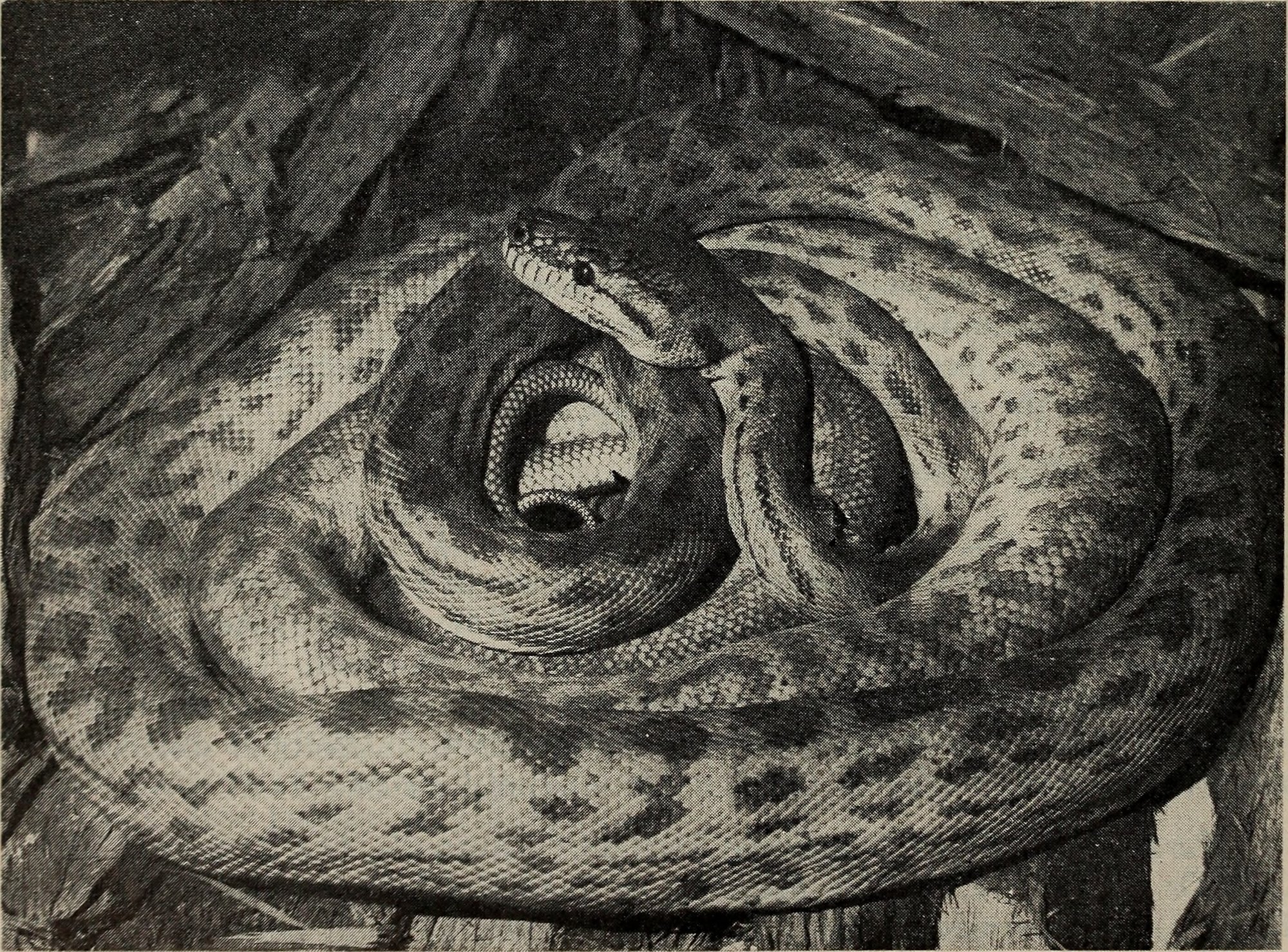
Snakes · Difficulty: Expert
Key facts and care guidance for Oenpelli python (Morelia oenpelliensis) (origin: West Arnhem Land, Northern Territory, Australia (a sandstone massif) – endemic and very rare). Adult size around über 4 m (ein Tier in Menschenobhut über 5 m). Life expectancy little data, probably 20+ years (uncertain). The values below are carefully researched guidance.
Short answers
Oenpelli python: How big does the enclosure need to be?
From 200×200×200 cm (minimum size according to the 1997 expert report, over 2 m); (1 adult animal); a strong climber, height matters.
Oenpelli python: What temperature does it need?
Daytime 28–32 °C (cool area 24–26 °C), basking spot 33–35 °C, at night 22–26 °C.
Oenpelli python: Does it need UVB lighting?
UVB: UVB not essential (nocturnal), low UVB optional.
Oenpelli python: How long do they live?
Life expectancy: little data, probably 20+ years (uncertain).
Oenpelli python: Is it suitable for beginners?
No – better suited to experienced keepers (difficulty: Expert).
Climate
- Daytime temperature
- 28–32 °C (cool area 24–26 °C)
- Night temperature
- 22–26 °C
- Basking spot
- 33–35 °C
- Humidity
- 60–80 % (monsoonal, varying with the season)
- UVB
- UVB not essential (nocturnal), low UVB optional
Enclosure
- Minimum size
- from 200×200×200 cm (minimum size according to the 1997 expert report, over 2 m); (1 adult animal); a strong climber, height matters
- Substrate
- Forest floor or coco humus with climbing and rock structures
Feeding
- Food
- Birds and rodents (in the wild also small mammals and marsupials)
- Feeding interval
- adults every 2–4 weeks
Key facts
- Adult size
- über 4 m (ein Tier in Menschenobhut über 5 m)
- Life expectancy
- little data, probably 20+ years (uncertain)
- Origin
- West Arnhem Land, Northern Territory, Australia (a sandstone massif) – endemic and very rare
- Protection status
- CITES Appendix II, EU Regulation 338/97 Annex B → specially protected under German law; an Australian endemic, hardly ever legally in the trade, with strict proof-of-origin and registration duties
- Brumation
- No real winter rest; a seasonal dry and rainy rhythm (monsoonal)
- Cohabitation
- Keep them singly – a large, solitary giant python; put them together only under supervision for breeding
Notes
UNCERTAIN: "the world's rarest python", barely in private keeping, with very little solid husbandry data – the temperature, humidity and terrarium figures are derived from its climate (monsoonal Arnhem Land) and its closest relative (the amethystine python). Nocturnal, an excellent climber (rock and tree), colour-changing, with very large eggs. Only for experienced keepers with a permit.
Do you keep this species?
Add your animal to Reptoria – Reptoria reminds you about feeding and shedding. Add your animal for free →
Look for Oenpelli python (Morelia oenpelliensis) in the marketplace →
Related species
- Centralian carpet python (Morelia bredli) – Intermediate
- Darwin carpet python (Morelia spilota variegata) – Beginner
- Green tree python – Aru (Morelia viridis) – Intermediate
- Green tree python – Biak (Morelia viridis) – Intermediate
- Green tree python – Jayapura (Morelia viridis) – Intermediate
- Green tree python – Lereh (Morelia viridis) – Intermediate
- Green tree python – Merauke (Morelia viridis) – Intermediate
- Green tree python – Sorong (Morelia viridis) – Intermediate
What you need to start
To keep Oenpelli python (Morelia oenpelliensis) you typically need: a suitable enclosure (from 200×200×200 cm (minimum size according to the 1997 expert report, over 2 m); (1 adult animal); a strong climber, height matters), substrate (Forest floor or coco humus with climbing and rock structures), a heat source with a thermostat, UVB lighting, thermometer and hygrometer, a water dish and hides. You will find equipment in the Reptoria marketplace.
The complete, interactive care database is in the Reptoria app.
Last updated: 9 October 2026 · Editor: Reptoria editorial team · Sources include: https://en.wikipedia.org/wiki/Oenpelli_python, https://reptile-database.reptarium.cz/species?genus=Nyctophilopython&species=oenpelliensis
All values are non-binding guidance and do not replace expert advice. Research thoroughly from several sources before acquiring and keeping an animal, and observe the applicable law (species and animal protection in particular).