Bibron's thick-toed gecko (Pachydactylus bibronii)
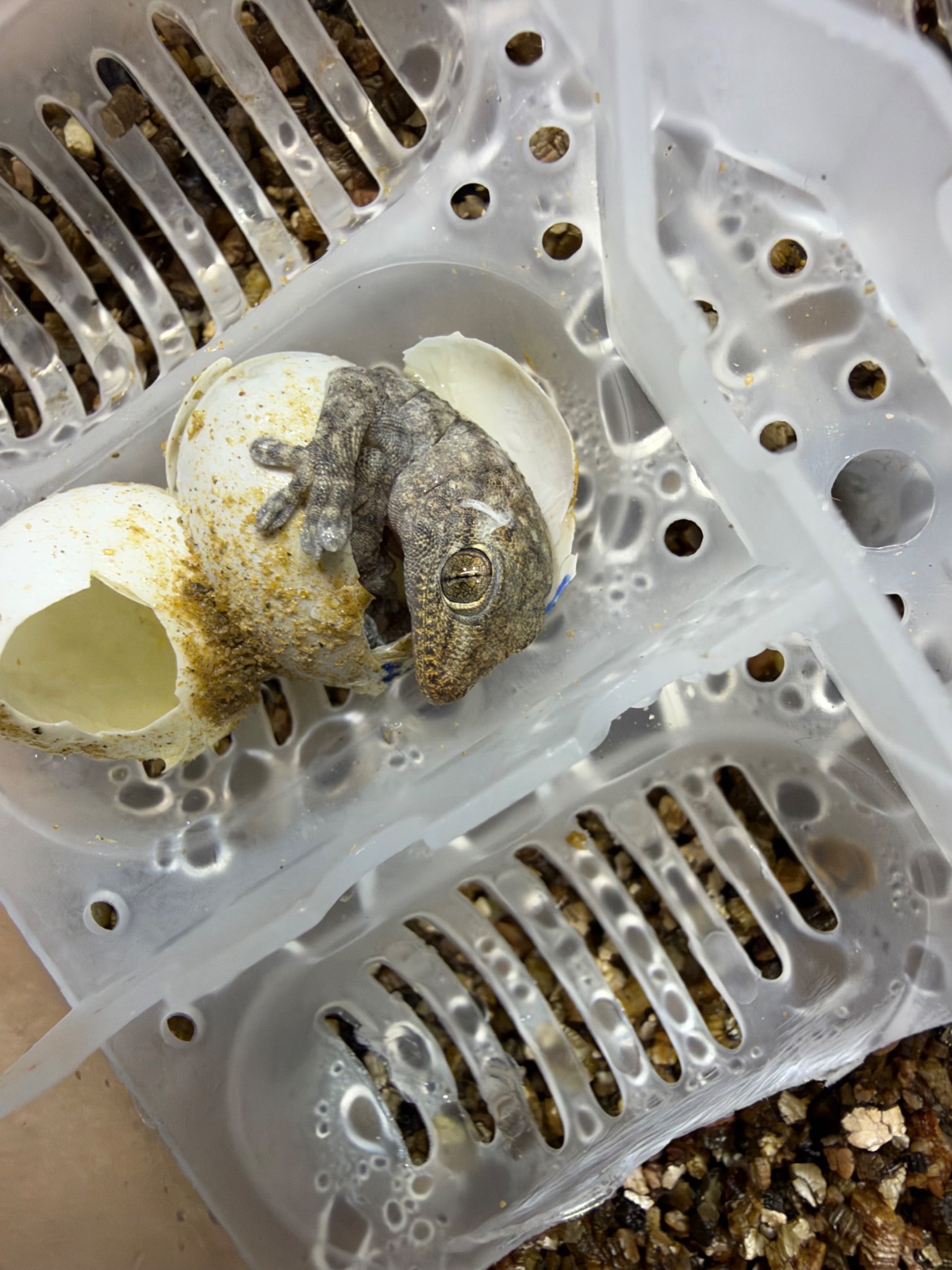
Geckos · Difficulty: Beginner
Key facts and care guidance for Bibron's thick-toed gecko (Pachydactylus bibronii) (origin: Southern Africa (South Africa, Namibia and others)). Adult size around approx. 12–18 cm (up to 20 cm). Life expectancy 10–15 years (up to ~20). The values below are carefully researched guidance.
Short answers
Bibron's thick-toed gecko: How big does the enclosure need to be?
From 45×45×60 cm for a pair.
Bibron's thick-toed gecko: What temperature does it need?
Daytime 26–30 °C, basking spot 35–40 °C under the heat lamp, at night 18–22 °C.
Bibron's thick-toed gecko: Does it need UVB lighting?
UVB: Recommended (low).
Bibron's thick-toed gecko: How long do they live?
Life expectancy: 10–15 years (up to ~20).
Bibron's thick-toed gecko: Is it suitable for beginners?
Yes – it is considered suitable for beginners (difficulty: Beginner).
Climate
- Daytime temperature
- 26–30 °C
- Night temperature
- 18–22 °C
- Basking spot
- 35–40 °C under the heat lamp
- Humidity
- 40–50 % (moderate)
- UVB
- Recommended (low)
Enclosure
- Minimum size
- from 45×45×60 cm for a pair
- Substrate
- Sand-loam or dry substrate, rock structures and bark crevices
Feeding
- Food
- Insects (a robust feeder)
- Feeding interval
- 2–3×/week
Key facts
- Adult size
- approx. 12–18 cm (up to 20 cm)
- Life expectancy
- 10–15 years (up to ~20)
- Origin
- Southern Africa (South Africa, Namibia and others)
- Protection status
- —
- Brumation
- A short cooler rest period is possible (it encourages breeding), but is not compulsory
- Cohabitation
- Keeping it alone is the least stressful option and perfectly fine for the animal. A harem of one male and two to three females of equal size is possible and usual for breeding; drawback: even then occasional fights occur with injuries to toes and skin, so each animal needs its own crevices and warm spots. Two males must never be kept together; they are very aggressive towards each other.
Notes
Robust and suitable for beginners; it needs climbing surfaces and crevice hides of stone or cork. Under stress it can nip hard.
Do you keep this species?
Add your animal to Reptoria – Reptoria reminds you about feeding and shedding. Add your animal for free →
Look for Bibron's thick-toed gecko (Pachydactylus bibronii) in the marketplace →
Related species
- Spotted thick-toed gecko (Pachydactylus maculatus) – Beginner with some knowledge
- Cape thick-toed gecko (Pachydactylus capensis) – Beginner with some knowledge
- Namaqua thick-toed gecko (Pachydactylus namaquensis) – Beginner with some knowledge
- Web-footed gecko (Pachydactylus rangei) – Intermediate
- Rough thick-toed gecko (Pachydactylus rugosus) – Beginner with some knowledge
- Tiger thick-toed gecko (Pachydactylus tigrinus) – Beginner with some knowledge
- Weber's thick-toed gecko (Pachydactylus weberi) – Beginner with some knowledge
- Arabian short-fingered gecko (Stenodactylus arabicus) – Beginner with some knowledge
What you need to start
To keep Bibron's thick-toed gecko (Pachydactylus bibronii) you typically need: a suitable enclosure (from 45×45×60 cm for a pair), substrate (Sand-loam or dry substrate, rock structures and bark crevices), a heat source with a thermostat, UVB lighting, thermometer and hygrometer, a water dish and hides. You will find equipment in the Reptoria marketplace.
The complete, interactive care database is in the Reptoria app.
Last updated: 25 September 2026 · Editor: Reptoria editorial team · Sources include: https://en.wikipedia.org/wiki/Bibron%27s_gecko, https://reptile-database.reptarium.cz/species?genus=Chondrodactylus&species=bibronii, https://reptilesmagazine.com/breeding-bibrons-geckos/, https://reptilesmagazine.com/listings/lizards-care-sheets/bibrons-gecko/, https://thetyedyediguana.com/care-sheets/bibrons-gecko-pachydactylus-bibroni/
All values are non-binding guidance and do not replace expert advice. Research thoroughly from several sources before acquiring and keeping an animal, and observe the applicable law (species and animal protection in particular).