Rough thick-toed gecko (Pachydactylus rugosus)
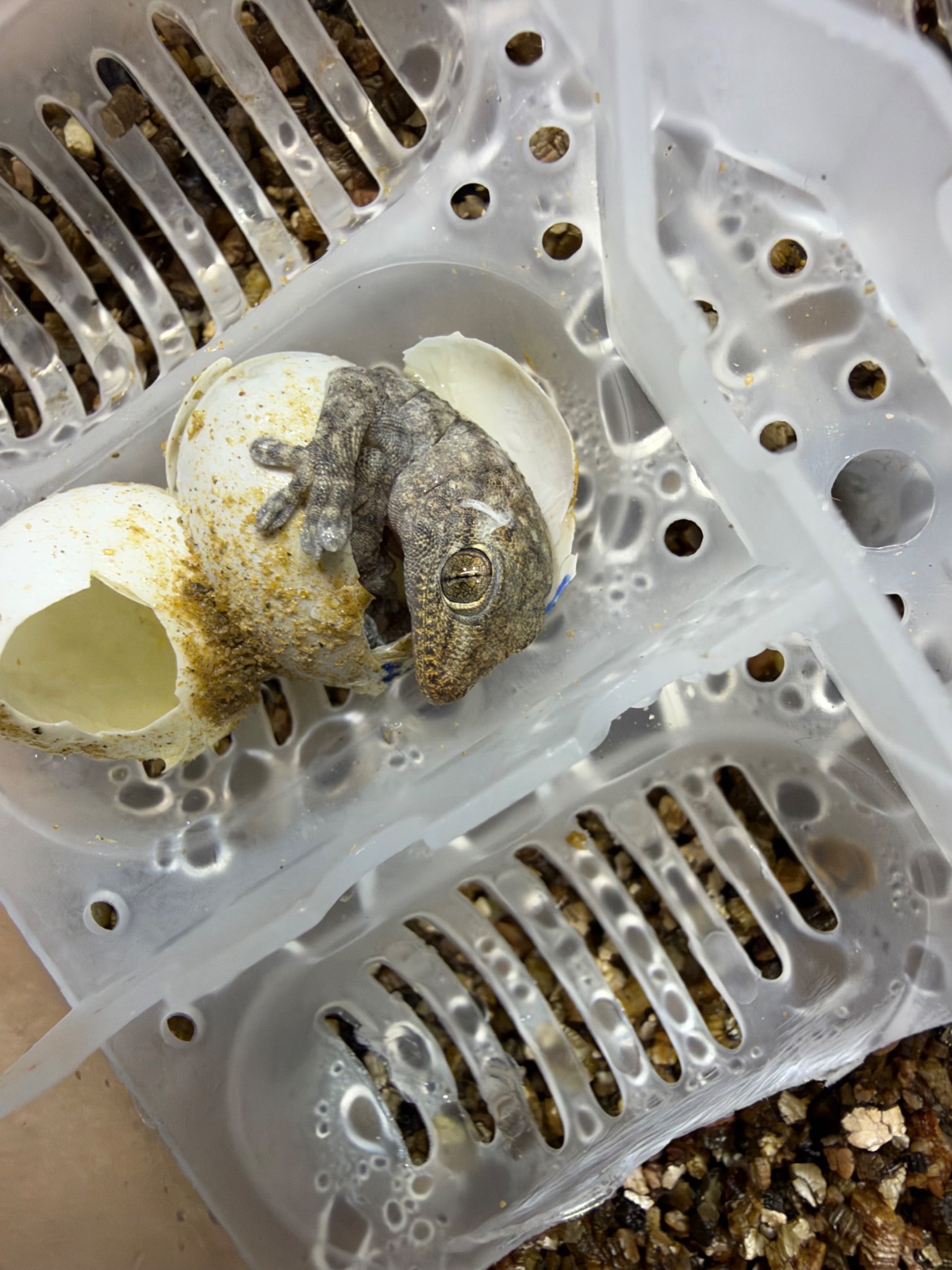
Geckos · Difficulty: Beginner with some knowledge
Key facts and care guidance for Rough thick-toed gecko (Pachydactylus rugosus) (origin: Namibia and South Africa). Adult size around 9–11 cm. Life expectancy 8–12 years. The values below are carefully researched guidance.
Short answers
Rough thick-toed gecko: How big does the enclosure need to be?
80×40×40 cm for a pair.
Rough thick-toed gecko: What temperature does it need?
Daytime 28–33 °C, basking spot Basking spot 35–40 °C, at night 18–22 °C.
Rough thick-toed gecko: Does it need UVB lighting?
UVB: Recommended (UVB 5.0), weaker for nocturnal species.
Rough thick-toed gecko: How long do they live?
Life expectancy: 8–12 years.
Rough thick-toed gecko: Is it suitable for beginners?
Partly – manageable with some prior knowledge (difficulty: Beginner with some knowledge).
Climate
- Daytime temperature
- 28–33 °C
- Night temperature
- 18–22 °C
- Basking spot
- Basking spot 35–40 °C
- Humidity
- 30–50 %
- UVB
- Recommended (UVB 5.0), weaker for nocturnal species
Enclosure
- Minimum size
- 80×40×40 cm for a pair
- Substrate
- A sand-loam mix they can dig in, plus stone slabs and roots
Feeding
- Food
- Crickets, roaches and house crickets, dusted regularly with calcium and vitamins
- Feeding interval
- adults 2–3×/week
Key facts
- Adult size
- 9–11 cm
- Life expectancy
- 8–12 years
- Origin
- Namibia and South Africa
- Protection status
- Not listed under CITES
- Brumation
- A cooler rest of 6–8 weeks at 16–20 °C
- Cohabitation
- Can be kept in pairs (1.1) or as a group with one male and several females (1.2). Never keep two males together, they fight over territory and the basking spot until one is injured or permanently pushed into a corner. Females usually get along but need their own heat and hide spots; feed separately if there is a size difference.
Notes
It comes from a very dry region — permanent damp is the commonest keeping mistake.
Do you keep this species?
Add your animal to Reptoria – Reptoria reminds you about feeding and shedding. Add your animal for free →
Look for Rough thick-toed gecko (Pachydactylus rugosus) in the marketplace →
Related species
- Bibron's thick-toed gecko (Pachydactylus bibronii) – Beginner
- Spotted thick-toed gecko (Pachydactylus maculatus) – Beginner with some knowledge
- Cape thick-toed gecko (Pachydactylus capensis) – Beginner with some knowledge
- Namaqua thick-toed gecko (Pachydactylus namaquensis) – Beginner with some knowledge
- Web-footed gecko (Pachydactylus rangei) – Intermediate
- Tiger thick-toed gecko (Pachydactylus tigrinus) – Beginner with some knowledge
- Weber's thick-toed gecko (Pachydactylus weberi) – Beginner with some knowledge
- Arabian short-fingered gecko (Stenodactylus arabicus) – Beginner with some knowledge
What you need to start
To keep Rough thick-toed gecko (Pachydactylus rugosus) you typically need: a suitable enclosure (80×40×40 cm for a pair), substrate (A sand-loam mix they can dig in, plus stone slabs and roots), a heat source with a thermostat, UVB lighting, thermometer and hygrometer, a water dish and hides. You will find equipment in the Reptoria marketplace.
The complete, interactive care database is in the Reptoria app.
Last updated: 25 September 2026 · Editor: Reptoria editorial team · Sources include: https://en.wikipedia.org/wiki/Pachydactylus, https://en.wikipedia.org/wiki/Pachydactylus_rugosus
All values are non-binding guidance and do not replace expert advice. Research thoroughly from several sources before acquiring and keeping an animal, and observe the applicable law (species and animal protection in particular).