Weber's thick-toed gecko (Pachydactylus weberi)
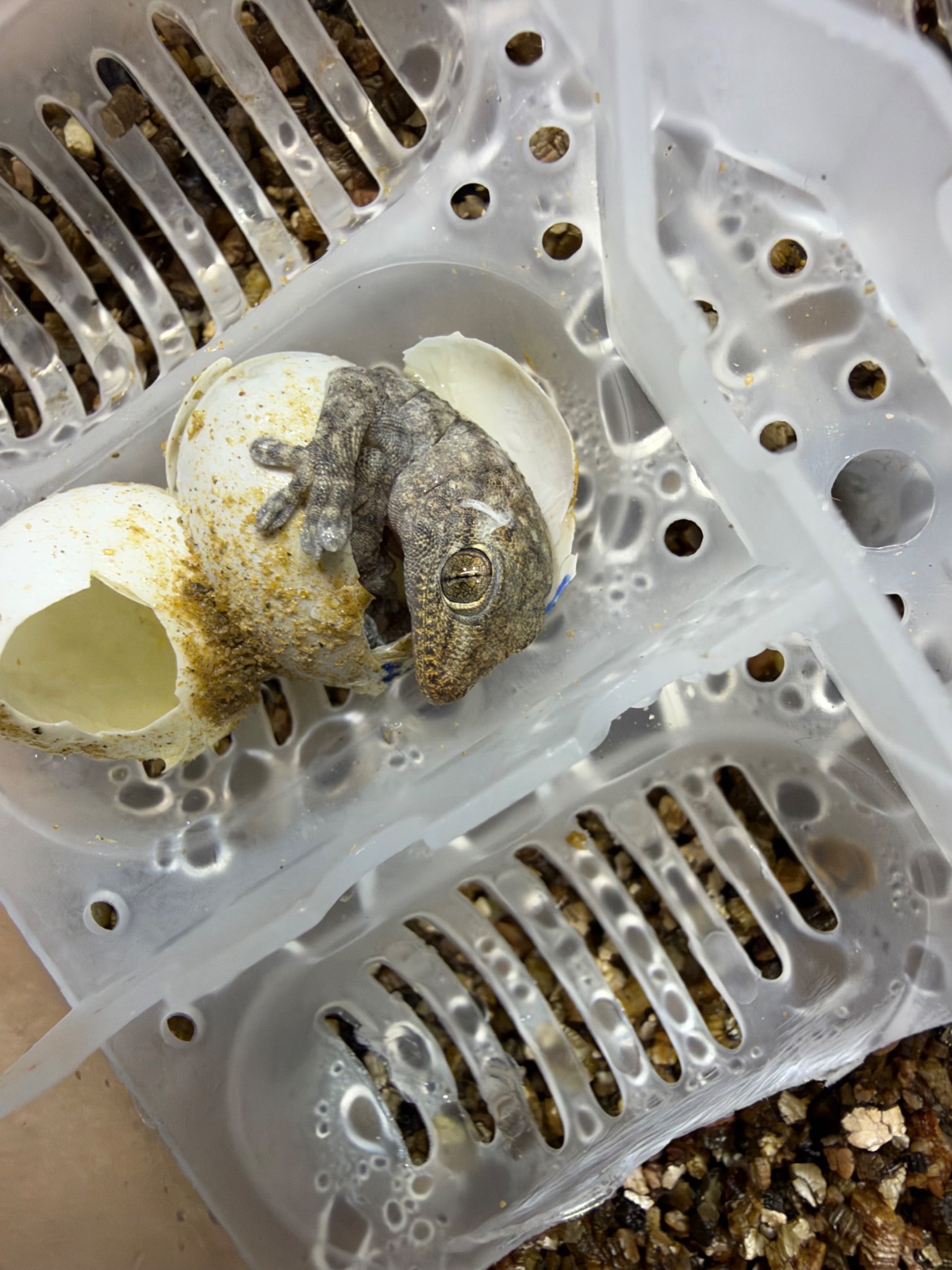
Geckos · Difficulty: Beginner with some knowledge
Key facts and care guidance for Weber's thick-toed gecko (Pachydactylus weberi) (origin: Namibia and South Africa). Adult size around 8–10 cm. Life expectancy 8–12 years. The values below are carefully researched guidance.
Short answers
Weber's thick-toed gecko: How big does the enclosure need to be?
80×40×40 cm for a pair.
Weber's thick-toed gecko: What temperature does it need?
Daytime 28–33 °C, basking spot Basking spot 35–40 °C, at night 18–22 °C.
Weber's thick-toed gecko: Does it need UVB lighting?
UVB: Recommended (UVB 5.0), weaker for nocturnal species.
Weber's thick-toed gecko: How long do they live?
Life expectancy: 8–12 years.
Weber's thick-toed gecko: Is it suitable for beginners?
Partly – manageable with some prior knowledge (difficulty: Beginner with some knowledge).
Climate
- Daytime temperature
- 28–33 °C
- Night temperature
- 18–22 °C
- Basking spot
- Basking spot 35–40 °C
- Humidity
- 30–50 %
- UVB
- Recommended (UVB 5.0), weaker for nocturnal species
Enclosure
- Minimum size
- 80×40×40 cm for a pair
- Substrate
- A sand-loam mix they can dig in, plus stone slabs and roots
Feeding
- Food
- Crickets, roaches and house crickets, dusted regularly with calcium and vitamins
- Feeding interval
- adults 2–3×/week
Key facts
- Adult size
- 8–10 cm
- Life expectancy
- 8–12 years
- Origin
- Namibia and South Africa
- Protection status
- Not listed under CITES
- Brumation
- A cooler rest of 6–8 weeks at 16–20 °C
- Cohabitation
- Can be kept in pairs (1.1) or as a group with one male and several females (1.2) - several females are documented to get along well given enough crevice hides. Never keep two males together, they fight over territory and the basking spot until one is injured or permanently pushed into a corner; feed separately if there is a size difference.
Notes
A rock-crevice dweller. Several females get on if there are enough crevices.
Do you keep this species?
Add your animal to Reptoria – Reptoria reminds you about feeding and shedding. Add your animal for free →
Look for Weber's thick-toed gecko (Pachydactylus weberi) in the marketplace →
Related species
- Bibron's thick-toed gecko (Pachydactylus bibronii) – Beginner
- Spotted thick-toed gecko (Pachydactylus maculatus) – Beginner with some knowledge
- Cape thick-toed gecko (Pachydactylus capensis) – Beginner with some knowledge
- Namaqua thick-toed gecko (Pachydactylus namaquensis) – Beginner with some knowledge
- Web-footed gecko (Pachydactylus rangei) – Intermediate
- Rough thick-toed gecko (Pachydactylus rugosus) – Beginner with some knowledge
- Tiger thick-toed gecko (Pachydactylus tigrinus) – Beginner with some knowledge
- Arabian short-fingered gecko (Stenodactylus arabicus) – Beginner with some knowledge
What you need to start
To keep Weber's thick-toed gecko (Pachydactylus weberi) you typically need: a suitable enclosure (80×40×40 cm for a pair), substrate (A sand-loam mix they can dig in, plus stone slabs and roots), a heat source with a thermostat, UVB lighting, thermometer and hygrometer, a water dish and hides. You will find equipment in the Reptoria marketplace.
The complete, interactive care database is in the Reptoria app.
Last updated: 25 September 2026 · Editor: Reptoria editorial team · Sources include: https://en.wikipedia.org/wiki/Pachydactylus, https://en.wikipedia.org/wiki/Weber%27s_thick-toed_gecko
All values are non-binding guidance and do not replace expert advice. Research thoroughly from several sources before acquiring and keeping an animal, and observe the applicable law (species and animal protection in particular).