Guatemalan beaded lizard (Heloderma charlesbogerti)
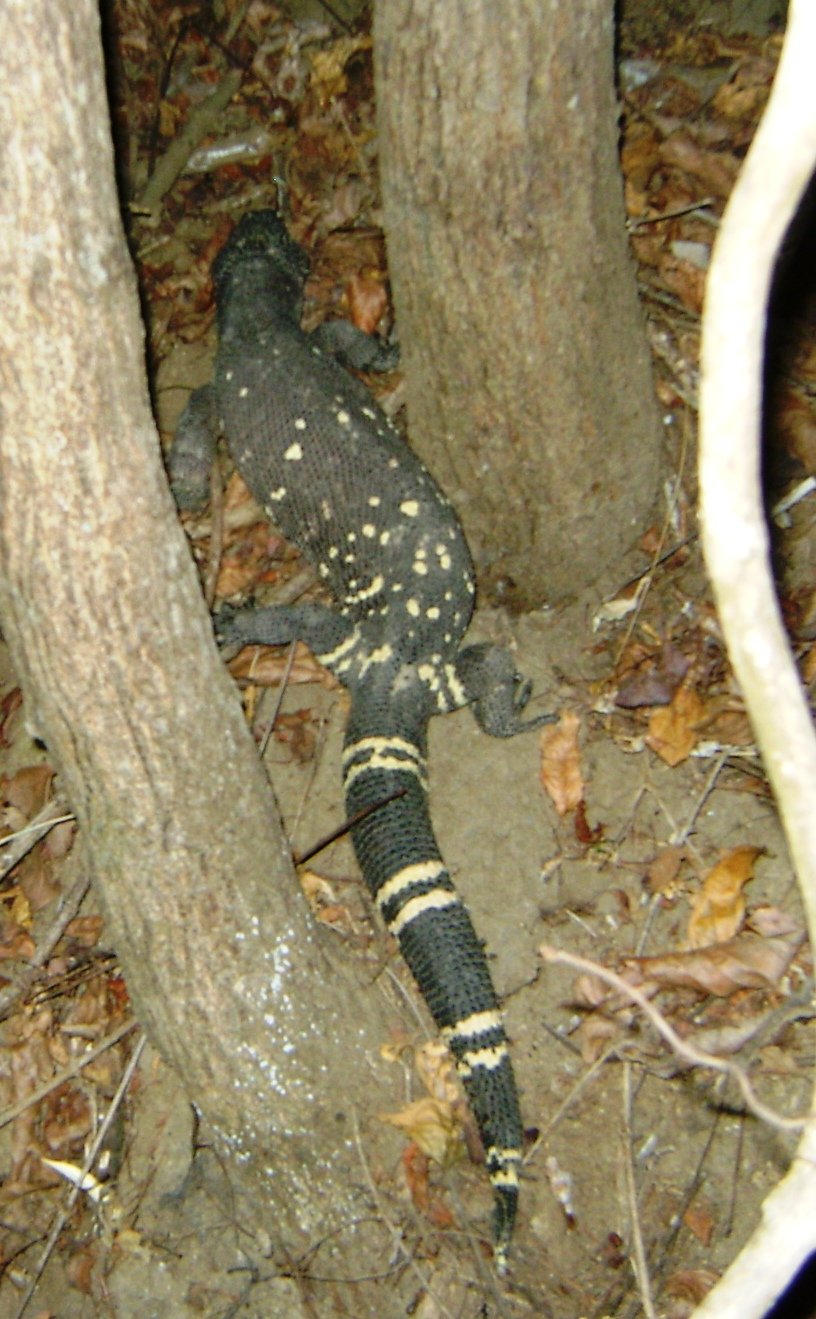
Lizards · Difficulty: Expert
Key facts and care guidance for Guatemalan beaded lizard (Heloderma charlesbogerti) (origin: Endemic to the Motagua valley (south-eastern Guatemala); dry thorn scrub (Motagua Valley thornscrub)). Adult size around approx. 60–80 cm total length. Life expectancy approx. 25–30 years. The values below are carefully researched guidance.
Short answers
Guatemalan beaded lizard: How big does the enclosure need to be?
150×80×80 cm for one animal (larger is better).
Guatemalan beaded lizard: What temperature does it need?
Daytime 26–32 °C, basking spot 35–38 °C (basking spot), at night 18–22 °C.
Guatemalan beaded lizard: Does it need UVB lighting?
UVB: UVB recommended (Ferguson zone 1–2, UV index 1–3).
Guatemalan beaded lizard: How long do they live?
Life expectancy: approx. 25–30 years.
Guatemalan beaded lizard: Is it suitable for beginners?
No – better suited to experienced keepers (difficulty: Expert).
Climate
- Daytime temperature
- 26–32 °C
- Night temperature
- 18–22 °C
- Basking spot
- 35–38 °C (basking spot)
- Humidity
- 50–70 % (with a humid floor zone or hide)
- UVB
- UVB recommended (Ferguson zone 1–2, UV index 1–3)
Enclosure
- Minimum size
- 150×80×80 cm for one animal (larger is better)
- Substrate
- A sand and soil mix they can dig in, with stones, roots, cork tubes and damp retreats
Feeding
- Food
- Carnivorous: rodents, chicks, quail and other bird eggs, occasionally insects
- Feeding interval
- adults sparingly, approx. 1×/week (avoid obesity)
Key facts
- Adult size
- approx. 60–80 cm total length
- Life expectancy
- approx. 25–30 years
- Origin
- Endemic to the Motagua valley (south-eastern Guatemala); dry thorn scrub (Motagua Valley thornscrub)
- Protection status
- VENOMOUS and critically endangered (IUCN Critically Endangered, and CITES Appendix I / EU Annex A since 2007). Effectively NOT in private trade – only in official or zoological conservation breeding (Project Heloderma). The strictest permit and proof requirements apply
- Brumation
- A cooler, drier rest period matching the dry season (several weeks at about 15–20 °C) is called for
- Cohabitation
- Keep them singly. NEVER keep males together (ritual fights). Breed them only within controlled conservation breeding by specialist institutions
Notes
One of the rarest lizards in the world (the population is estimated in places at under 200–700 animals). Practically unavailable and not permitted for private keeping – this entry is mainly informative. The husbandry figures are derived from the closely related H. horridum/exasperatum group.
Do you keep this species?
Add your animal to Reptoria – Reptoria reminds you about feeding and shedding. Add your animal for free →
Look for Guatemalan beaded lizard (Heloderma charlesbogerti) in the marketplace →
Related species
- Chiapan beaded lizard (Heloderma alvarezi) – Expert
- Gila monster (Heloderma suspectum) – Expert
- Mexican beaded lizard (Heloderma horridum) – Expert
- Rio Fuerte beaded lizard (Heloderma exasperatum) – Expert
- Aeolian wall lizard (Podarcis raffonei) – Expert
- Anzueto's arboreal alligator lizard (Abronia anzuetoi) – Expert
- Aran rock lizard (Iberolacerta aranica) – Expert
- Aurelio's rock lizard (Iberolacerta aurelioi) – Expert
What you need to start
To keep Guatemalan beaded lizard (Heloderma charlesbogerti) you typically need: a suitable enclosure (150×80×80 cm for one animal (larger is better)), substrate (A sand and soil mix they can dig in, with stones, roots, cork tubes and damp retreats), a heat source with a thermostat, UVB lighting, thermometer and hygrometer, a water dish and hides. You will find equipment in the Reptoria marketplace.
The complete, interactive care database is in the Reptoria app.
Last updated: 8 November 2026 · Editor: Reptoria editorial team · Sources include: Heloderma suspectum Inkubation 114-152 Tage bei 26-29°C (Royal Society) als Gattungswert – https://royalsocietypublishing.org/rspb/article/285/1879/20180632/78940/Evidence-for-atypical-nest-overwintering-by, Gila Monster Egg Incubation - DocSeward.com (Gattungswert Heloderma) – https://www.docseward.com/incubation.htm, https://en.wikipedia.org/wiki/Guatemalan_beaded_lizard, https://en.wikipedia.org/wiki/Heloderma, https://reptile-database.reptarium.cz/species?genus=Heloderma&species=charlesbogerti
All values are non-binding guidance and do not replace expert advice. Research thoroughly from several sources before acquiring and keeping an animal, and observe the applicable law (species and animal protection in particular).