Red-headed basilisk (Basiliscus galeritus)
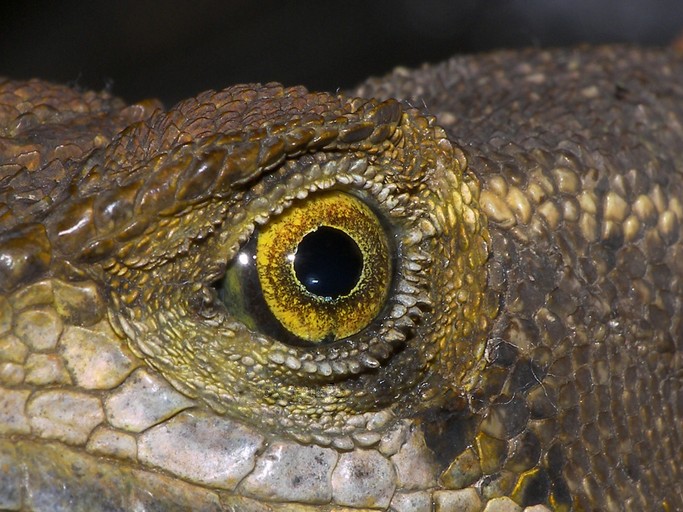
Iguanas · Difficulty: Expert
Key facts and care guidance for Red-headed basilisk (Basiliscus galeritus) (origin: The Pacific side: western Colombia and Ecuador northwards to Central America). Adult size around males up to ~70–90 cm total length including the tail (the smallest basilisk species), females considerably smaller. Life expectancy approx. 8–10 years. The values below are carefully researched guidance.
Short answers
Red-headed basilisk: How big does the enclosure need to be?
120×80×150 cm (tall format) for one adult animal (the absolute minimum is ~90×90×120 cm); larger is better.
Red-headed basilisk: What temperature does it need?
Daytime 26–30 °C, basking spot 35–40 °C, at night 20–24 °C.
Red-headed basilisk: Does it need UVB lighting?
UVB: UVB needed (a UVA/UVB lamp, Ferguson zone 2).
Red-headed basilisk: How long do they live?
Life expectancy: approx. 8–10 years.
Red-headed basilisk: Is it suitable for beginners?
No – better suited to experienced keepers (difficulty: Expert).
Climate
- Daytime temperature
- 26–30 °C
- Night temperature
- 20–24 °C
- Basking spot
- 35–40 °C
- Humidity
- 70–90 %, up to 100 % at night
- UVB
- UVB needed (a UVA/UVB lamp, Ferguson zone 2)
Enclosure
- Minimum size
- 120×80×150 cm (tall format) for one adult animal (the absolute minimum is ~90×90×120 cm); larger is better
- Substrate
- A damp forest-floor and coco humus mix with leaf litter; a large water section (24–28 °C), cleaned often
Feeding
- Food
- Mostly insects (crickets, locusts, wax moths, roaches), occasionally pinkie mice; little fruit
- Feeding interval
- adults 2–3×/week, juveniles daily
Key facts
- Adult size
- males up to ~70–90 cm total length including the tail (the smallest basilisk species), females considerably smaller
- Life expectancy
- approx. 8–10 years
- Origin
- The Pacific side: western Colombia and Ecuador northwards to Central America
- Protection status
- Not listed under CITES, no special protected status
- Brumation
- None
- Cohabitation
- Keep them singly, or one male plus two or three females (a harem) in a large enclosure. NEVER keep males together (territorial)
Notes
The most delicate and trickiest basilisk species, hard to breed, and nothing for beginners. Very shy, with a high humidity and water requirement; it defecates in the water → frequent cleaning. Rarely kept, and German-language husbandry data are thin (some figures are derived from English specialist sources).
Do you keep this species?
Add your animal to Reptoria – Reptoria reminds you about feeding and shedding. Add your animal for free →
Look for Red-headed basilisk (Basiliscus galeritus) in the marketplace →
Related species
- Brown basilisk (Basiliscus vittatus) – Intermediate
- Plumed basilisk (Basiliscus plumifrons) – Intermediate
- Common basilisk (Basiliscus basiliscus) – Intermediate
- Serrated casquehead iguana (Laemanctus serratus) – Intermediate
- Hernandez's helmeted basilisk (Corytophanes hernandesii) – Expert
- Eastern casquehead iguana (Laemanctus longipes) – Intermediate
- Anegada ground iguana (Cyclura pinguis) – Expert
- Barbour's anole (Anolis barbouri) – Expert
What you need to start
To keep Red-headed basilisk (Basiliscus galeritus) you typically need: a suitable enclosure (120×80×150 cm (tall format) for one adult animal (the absolute minimum is ~90×90×120 cm); larger is better), substrate (A damp forest-floor and coco humus mix with leaf litter; a large water section (24–28 °C), cleaned often), a heat source with a thermostat, UVB lighting, thermometer and hygrometer, a water dish and hides. You will find equipment in the Reptoria marketplace.
The complete, interactive care database is in the Reptoria app.
Last updated: 9 October 2026 · Editor: Reptoria editorial team · Sources include: https://en.wikipedia.org/wiki/Western_basilisk, https://reptile-database.reptarium.cz/species?genus=Basiliscus&species=galeritus
All values are non-binding guidance and do not replace expert advice. Research thoroughly from several sources before acquiring and keeping an animal, and observe the applicable law (species and animal protection in particular).